What we’ve been working on - and what’s next
From investor insights and startup innovation to new milestones across the team, a lot is moving right now - and we wanted to share some of it with you.
March was marked by International Women’s Day - and we made sure to roll up our sleeves.
From hosting our Nordic Women’s Health Investor Summit to continuing our work with founders, investors, and partners across the space, we are seeing more conversations, more interest, and more momentum around women’s health than ever before.
We are also growing internally, with new people joining the team and more initiatives taking shape behind the scenes.
In this newsletter, we are sharing a few highlights - and giving you a closer look at what we are building, who we are learning from, and what is taking shape right now.
Missed our sold-out Investor Summit?
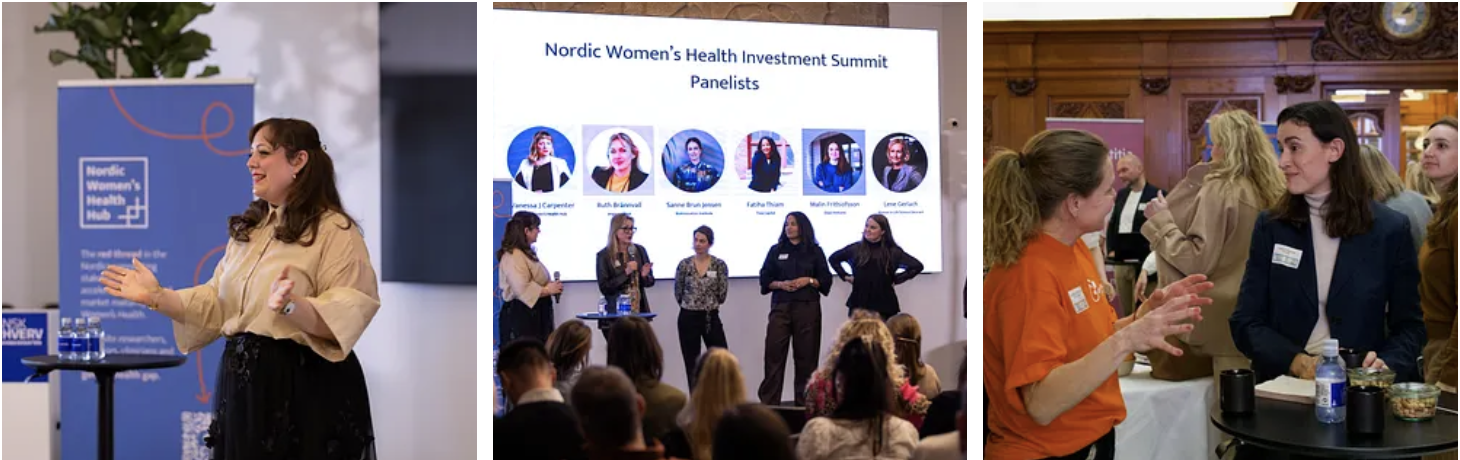
Our recent summit in Copenhagen was a massive success. It sold out before we even went live on LinkedIn, bringing together more than 100 participants - with a waiting list on top. Luckily, we also hosted a livestream, so even more people could follow along online.
The Summit was a day filled with strong profiles, great networking, and high-energy panel debates. Beyond the many powerful conversations, the program featured:
Welcoming speeches from Nordic Women’s Health Hub, Angella Invest, and Dansk Erhverv
A keynote by Malin Frithiofsson, who reframed women’s health not as a niche, but as a systemic optimization layer for all healthcare
A deep-dive panel with leading investors, alongside 13 startups showcasing inspiring innovation in the field
Don’t want to miss out next time?
The livestream recording was open for anyone and all members of Nordic Women’s Health Hub receive access to available recordings afterwards.
Want to make sure you hear about our next event before it sells out? Sign up here and we will also make sure to share the full recording from the summit with you!
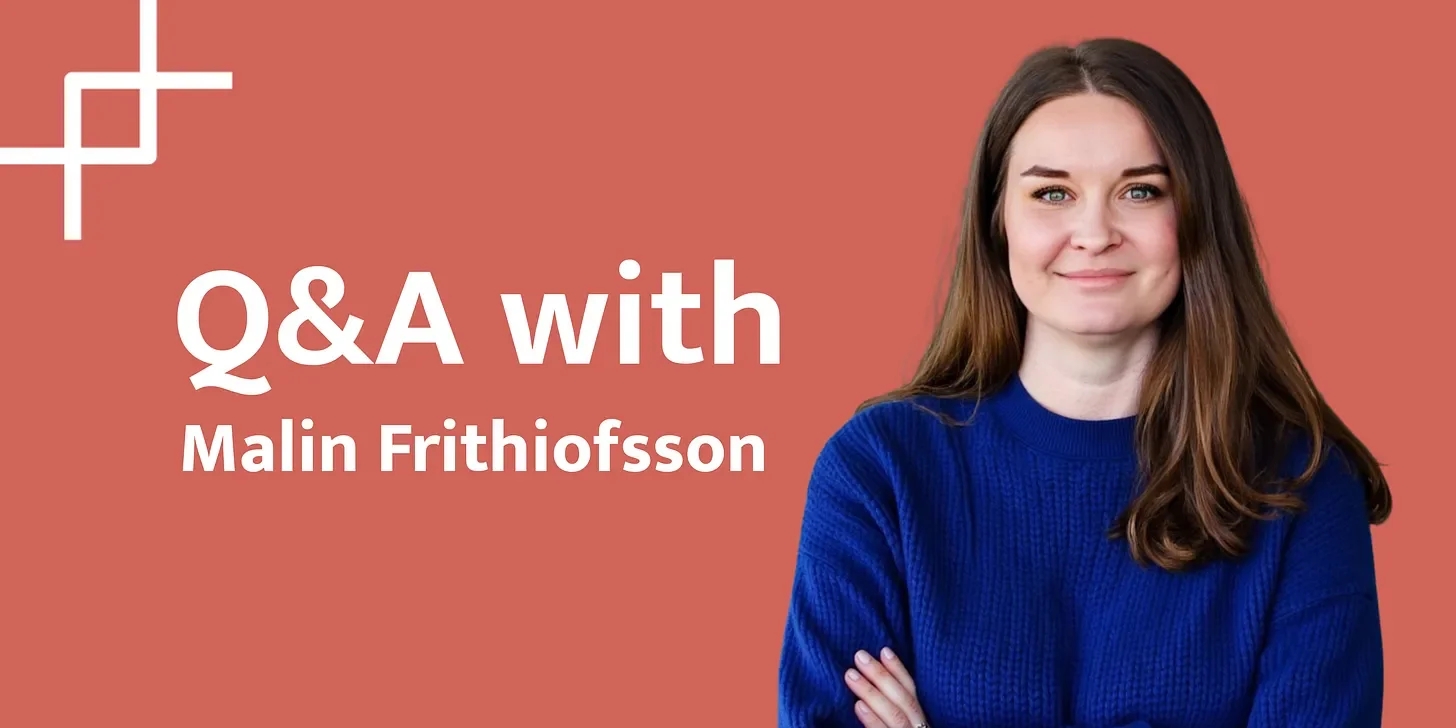
Q&A from the Summit: We didn’t get to everything - so we followed up
With a packed agenda at the Summit, we didn’t get to everything on the day.
A number of questions came in from our online audience that we simply ran out of time to answer live, so we followed up with our keynote speaker, Malin Frithiofsson, CEO of Daya Ventures.
Her answers touch on two recurring challenges in this space: why female founders are still being replaced as companies scale, and why prevention in women’s health remains difficult to fund.
You can also look forward to next month, where Malin will be our Investor of the Month.
On why founders are replaced as companies scale
“This is not a talent problem - it is a capital and governance design problem.”
According to Malin, the pattern is not about capability, but about how the system is structured.
She points to three dynamics that often drive it.
Boards tend to optimise for what they recognise, and historically, that has meant leadership profiles that look a certain way. At the same time, founders are expected to evolve rapidly - from domain experts to product builders to organisational leaders - without much structured support along the way.
And when pressure builds, replacing the founder is often seen as the safer option, rather than investing in their development.
“The system defaults to de-risking the company - not developing the founder.”
At Daya, they try to approach this differently from the beginning by building leadership capability early, introducing coaching and decision-making frameworks already at pre-seed stage, and designing boards more intentionally.
They also separate role evolution from founder replacement, meaning that as companies grow, the founder’s role can evolve without automatically being replaced.
“The goal is simple: to build founders who can scale with the company.”
On why prevention is still hard to fund
Women’s health innovation has historically focused on treatment areas such as fertility, pregnancy, and menopause, while a large part of the actual burden sits earlier - in prevention.
“The question is not whether prevention matters. It is how we make it investable.”
Prevention does not fit neatly into traditional venture models. It often takes longer to validate, creates value at a system level rather than direct revenue, and sits somewhere between healthcare, behaviour, and public systems.
That makes it harder to fund within traditional structures.
Instead of trying to force prevention into existing models, Malin points to the opportunity in building the infrastructure around it.
This includes data and evidence platforms, clinical decision tools that help identify early risk signals, and behaviour-change solutions that are tied to measurable health outcomes - not just standalone wellness apps.
“Prevention is where the biggest impact lies - but it requires a different way of thinking about capital.”
Nordic Women’s Health Hub mentioned by Healthcare Denmark
We are proud to share that Nordic Women’s Health Hub has been recognized as a key actor in the innovation ecosystem in the latest publication on women’s health in Denmark by Healthcare Denmark.
The publication maps the Danish women’s health ecosystem and highlights it as a strategic opportunity for future growth.
Being included is a significant milestone for us. We have only existed since 2024, yet are already being highlighted alongside long-established institutions - a clear signal that this space is moving, and that we are helping push it forward.
It is also a strong validation of the need for a dedicated platform like Nordic Women’s Health Hub - and of the community that is forming around it.
Read the full publication here.
A major milestone: Welcoming our first employee
This month marks a big step for Nordic Women’s Health Hub.
In January, we were proud to share that we secured funding from Industriens Fond, which has now allowed us to welcome our very first employee.
It is a milestone we are incredibly proud of. Not just for what it means for us as an organisation, but for what it signals: this space is growing, the need is clear, and what we are building is here to stay.
Behind everything we do is a strong community of volunteers. Bringing in our first team member allows us to strengthen that foundation even further - creating more structure, more continuity, and more support across everything we are building.
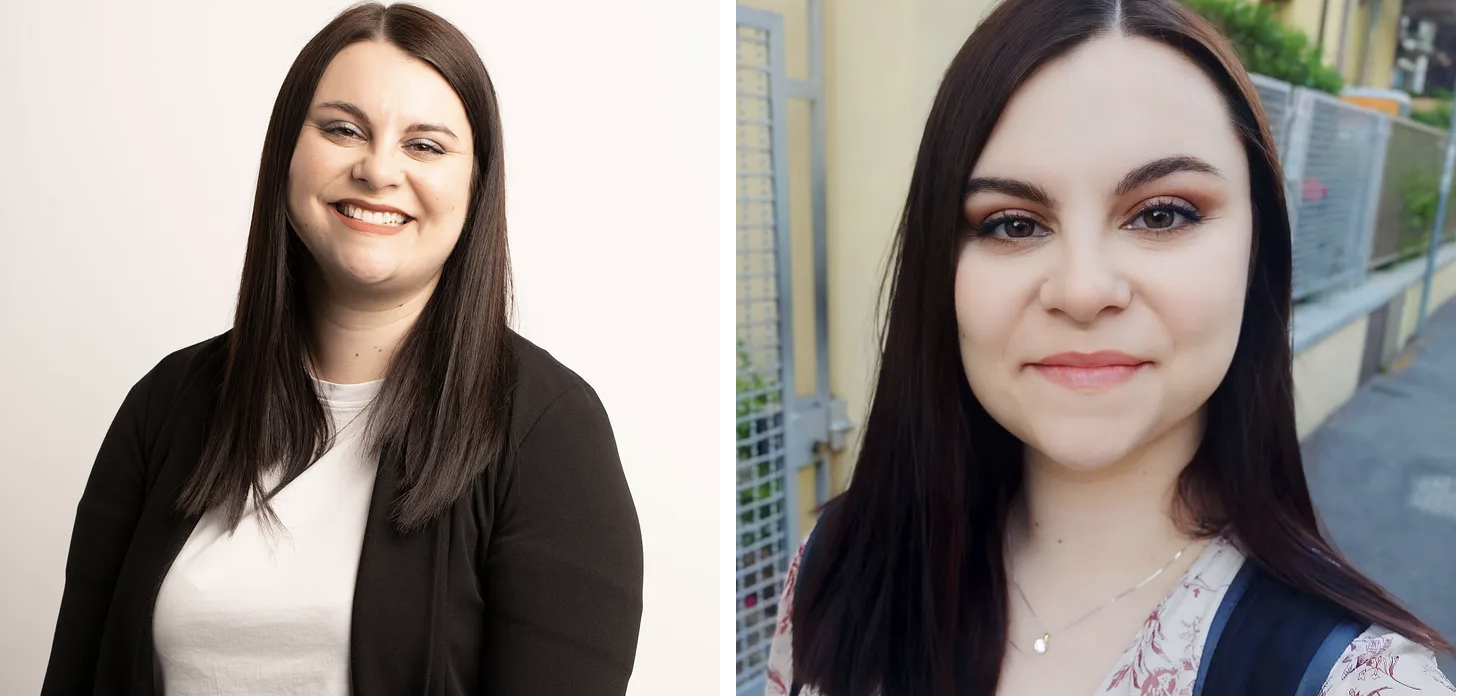
We are very happy to welcome Rossella to the team.
“My background is across HR, project coordination and events. I’ve worn many hats - and sometimes feel a bit like an octopus - but at the core of everything I’ve done is working with and for people, helping ideas move forward.
In my role at NWHH, I want to create a space that feels open, welcoming and easy to step into, while bringing structure behind the scenes and supporting teams to do their best work. I really believe in this project - bringing people together in women’s health and breaking down silos. It matters to me personally, and I am very happy to be part of this team.”
Volunteer kick-off recap
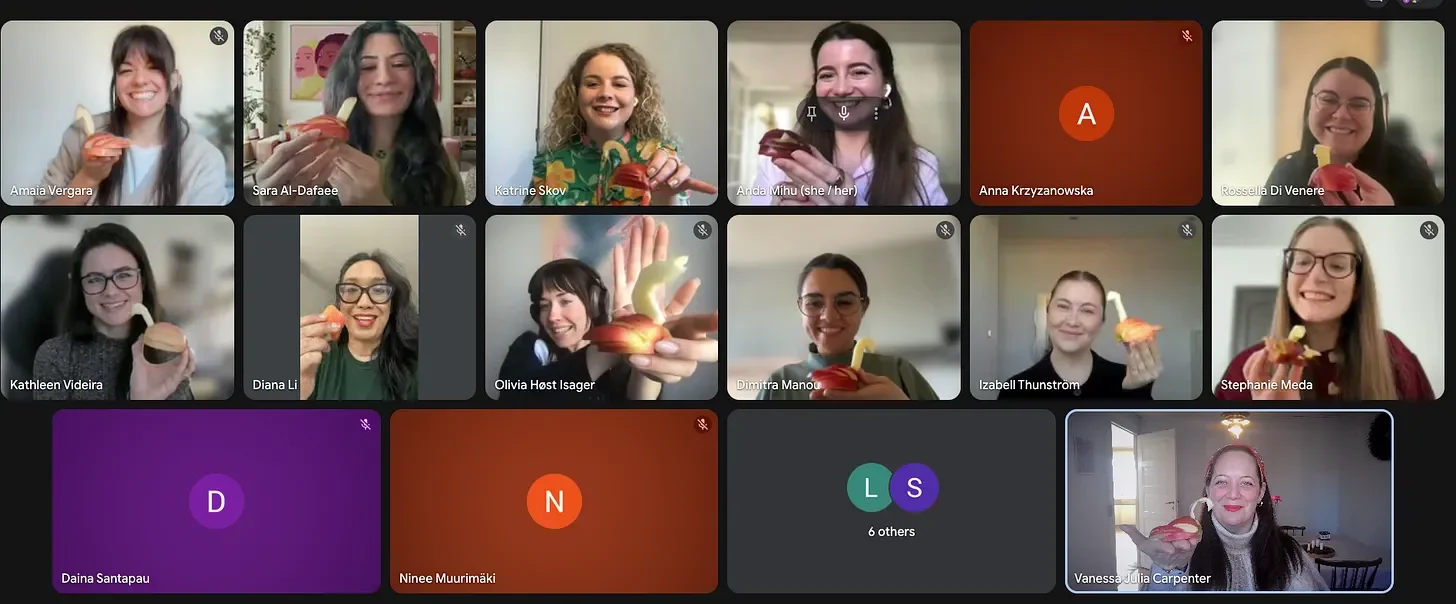
On Sunday, March 22, we gathered for our volunteer kick-off.
With 45 motivated volunteers in 2026, we are growing fast, and it felt like the right moment to bring everyone together - to get aligned, put faces to names, and connect across the different departments and projects.
We kicked things off with a welcome from our CEO, followed by each team sharing what they are working on right now and what is coming next - giving everyone a peek into each other’s work.
And yes, we also carved a swan out of an apple, because team building is just as important.
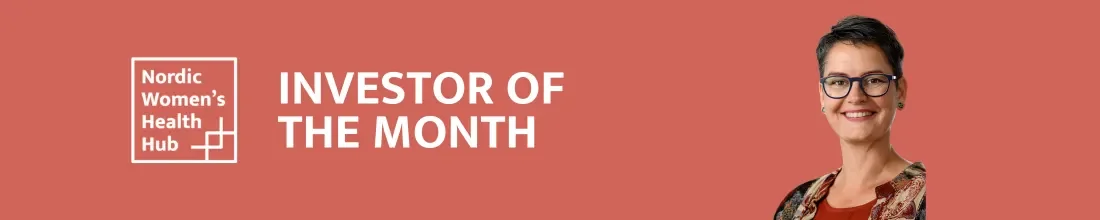
Investor of the Month: Sara Kindberg Adelskov
This month, we are highlighting an investor with a background in midwifery and a PhD in women’s health - bringing clinical insight directly into the investment space.
For her, it all comes down to one question: does the product actually work?
In our interview, she shares why women’s health is still overlooked, what she looks for when investing, and why she is drawn to bold ideas that solve actual problems.
👉 Read the full interview here.
Startup of the Month: Gedea Biotech
Vaginal infections affect up to one in three women globally, yet treatment still relies heavily on antibiotics as a temporary fix - often leading to recurring issues.
Gedea Biotech is working to change that.
With a microbiome-friendly approach and a CE-marked product the company moves beyond symptom relief and towards solutions that last.
A shift in how we treat - and understand - vaginal health.
👉 Read the full interview here.